
Oud
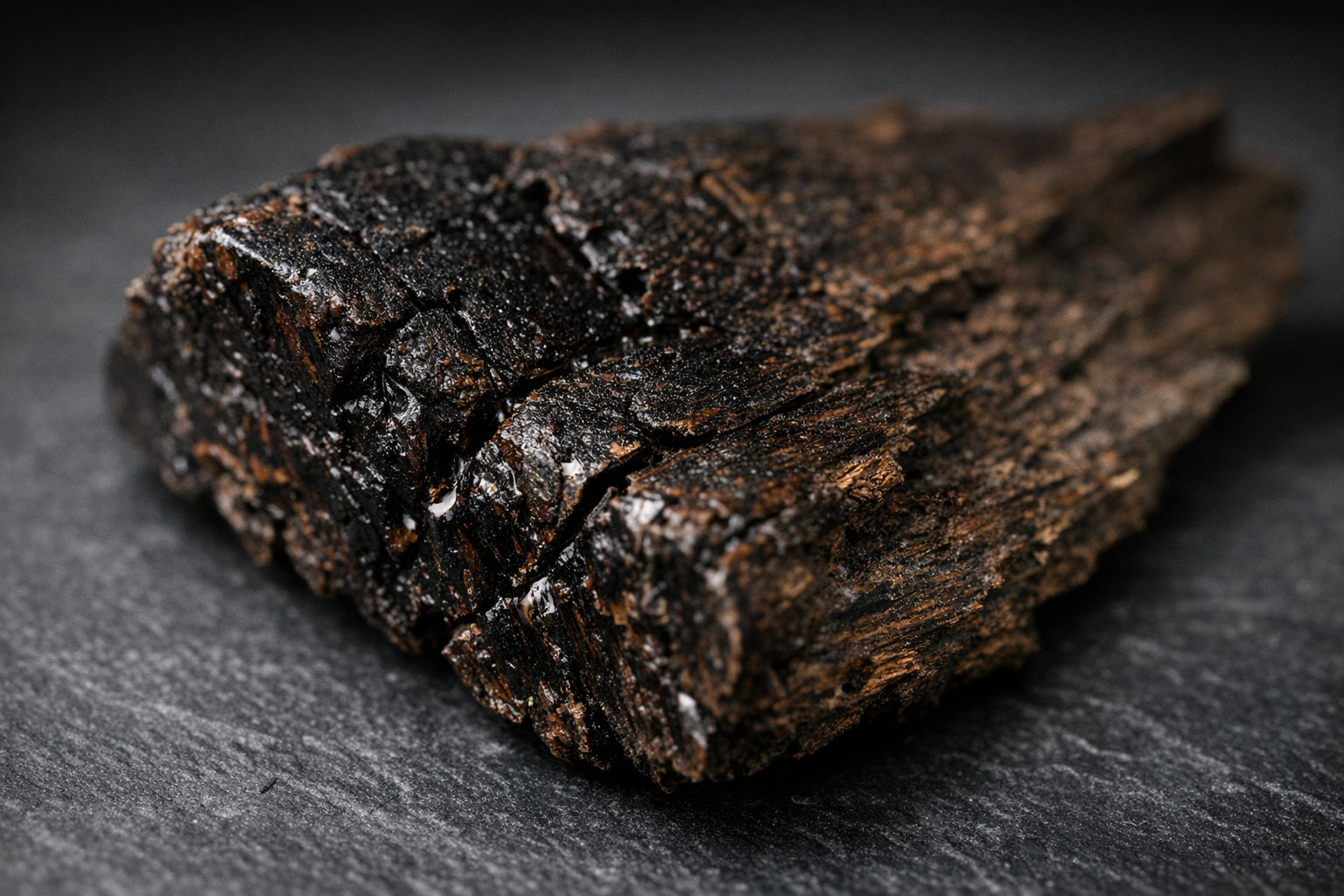
A dark, complex wood formed by fungal infection of Aquilaria trees. Oud is one of the most expensive and prized materials in perfumery, with a deep, smoky, animalic character.
Fragrance Pyramid
Olfactive Character
Dark, smoky, and complex. Natural oud is deeply animalic and leathery, with facets of fermentation and decay. Synthetic oud is cleaner but retains the characteristic smoky, woody darkness.
Origin & Harvest
Formed when Aquilaria trees in Southeast Asia are infected by Phialophora parasitica fungus. The tree produces a dark, aromatic resin in response. Wild oud is extremely rare. Most oud is now from cultivated trees in Laos, Cambodia, and Thailand. Steam-distilled from the infected heartwood.
Key Molecules
Agarol and various sesquiterpenes provide the characteristic woody depth. Guaianes and eudesmanes contribute the smoky, animalic character. Synthetic oud molecules like Oud Synthetic 10760 offer cleaner alternatives.
Safety & Regulation
Natural oud oil is generally well tolerated but quality varies enormously. Synthetic oud molecules are well characterised and IFRA compliant. Aquilaria species are CITES-listed due to overharvesting.
In Perfumery
Central to Middle Eastern perfumery for centuries. Popularised in Western fragrance by Tom Ford Oud Wood and M7 by YSL. Pairs with rose, saffron, and sandalwood. In KIDA KYO, oud adds smoky, contemplative depth.
History
Oud has been burned as incense across the Middle East and Asia for millennia. Known as 'liquid gold' due to its extreme cost. The global demand for oud has driven the development of sustainable Aquilaria plantations.

